Low Water Pressure From the Main Line in Elizabethtown
When the shower is a thin stream and two taps running at once is too much to ask, the water service line is a likely culprit. Low water pressure from the main line builds slowly as corrosion chokes the pipe, or appears suddenly when something breaks. When Elizabethtown homeowners search for low water pressure main line Elizabethtown help, the culprit is usually the buried service line rather than anything inside the house. Call (223) 243-0253 any time and we connect you with a local pro who will trace the loss to its source.
Serving Elizabethtown, PA, calls answered 24/7
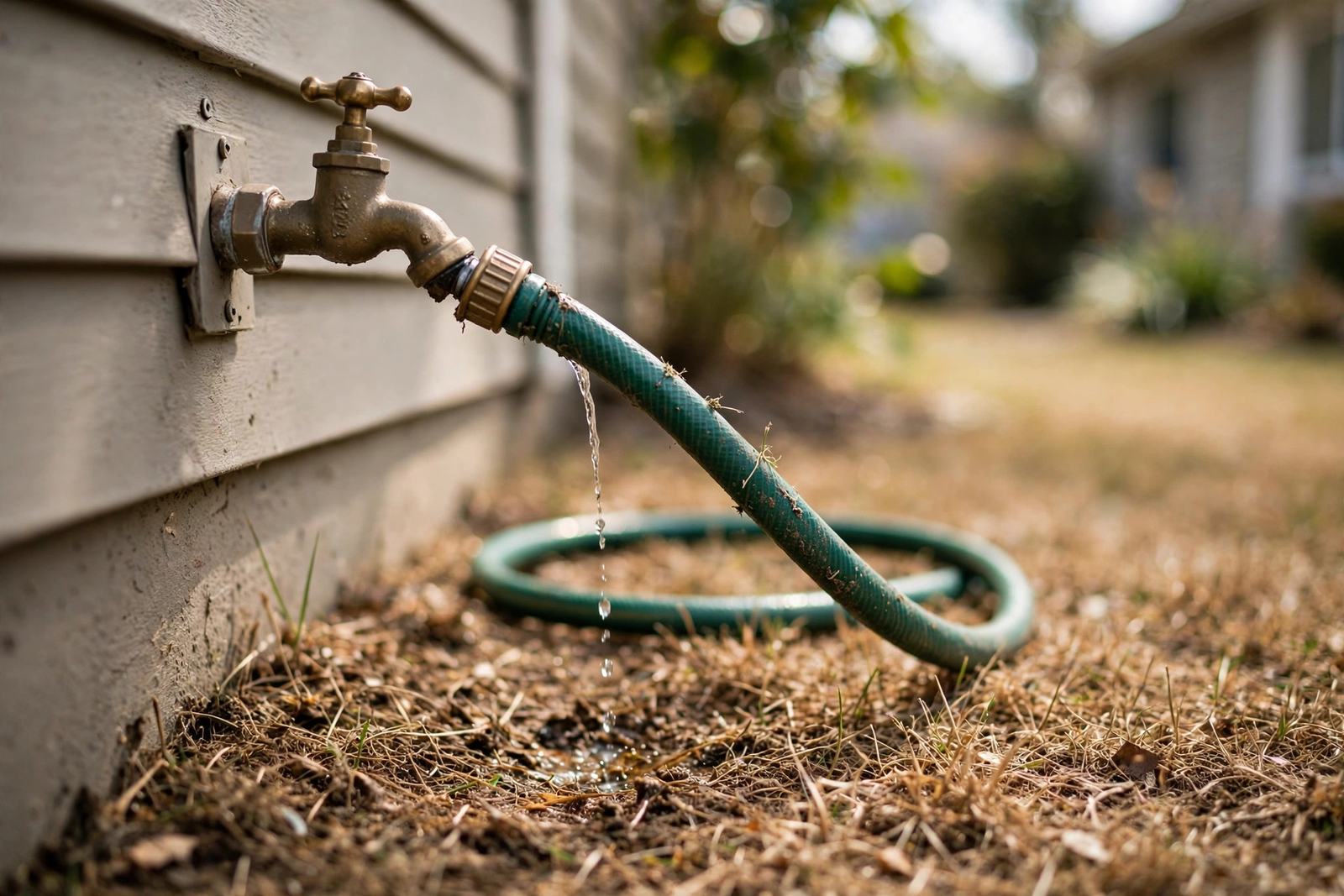
Whole-house low pressure vs one fixture
One weak tap usually means a problem at that tap: a clogged aerator, a scaled-up fixture or a local valve. Whole-house low pressure is a different animal. When the kitchen, bathrooms and hose bibb are all weak at the same time, something upstream of everything is restricting flow, and the main service line is at the top of the list.
That pattern is the classic signature of a low water pressure main line Elizabethtown case: every fixture weak, no single fixture to blame, and a service line that can no longer carry what the house asks for.
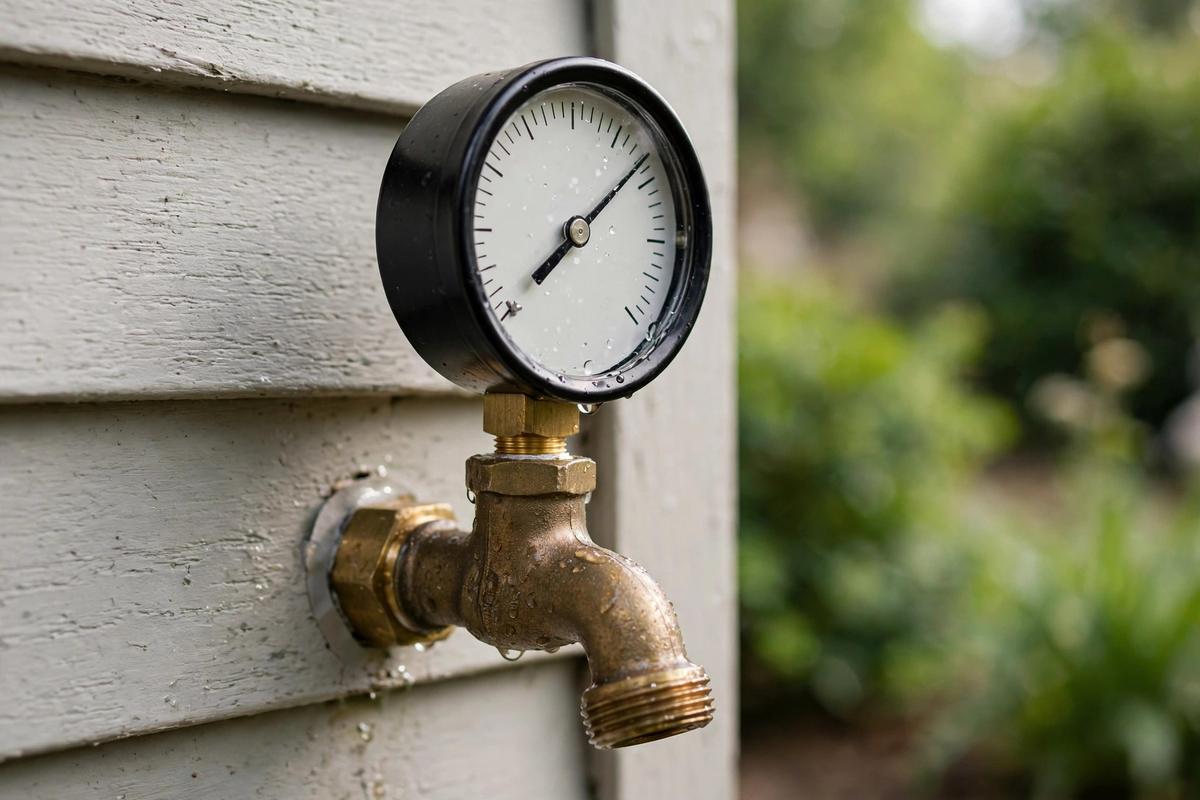
The distinction matters because the fix is completely different. Cleaning aerators helps one fixture and does nothing for the whole house. Before spending on plumbing inside, get the shared line tested. A simple gauge on an outdoor spigot tells a technician whether your pressure problem starts at the street or under the sink.
How a corroded or undersized service line throttles flow
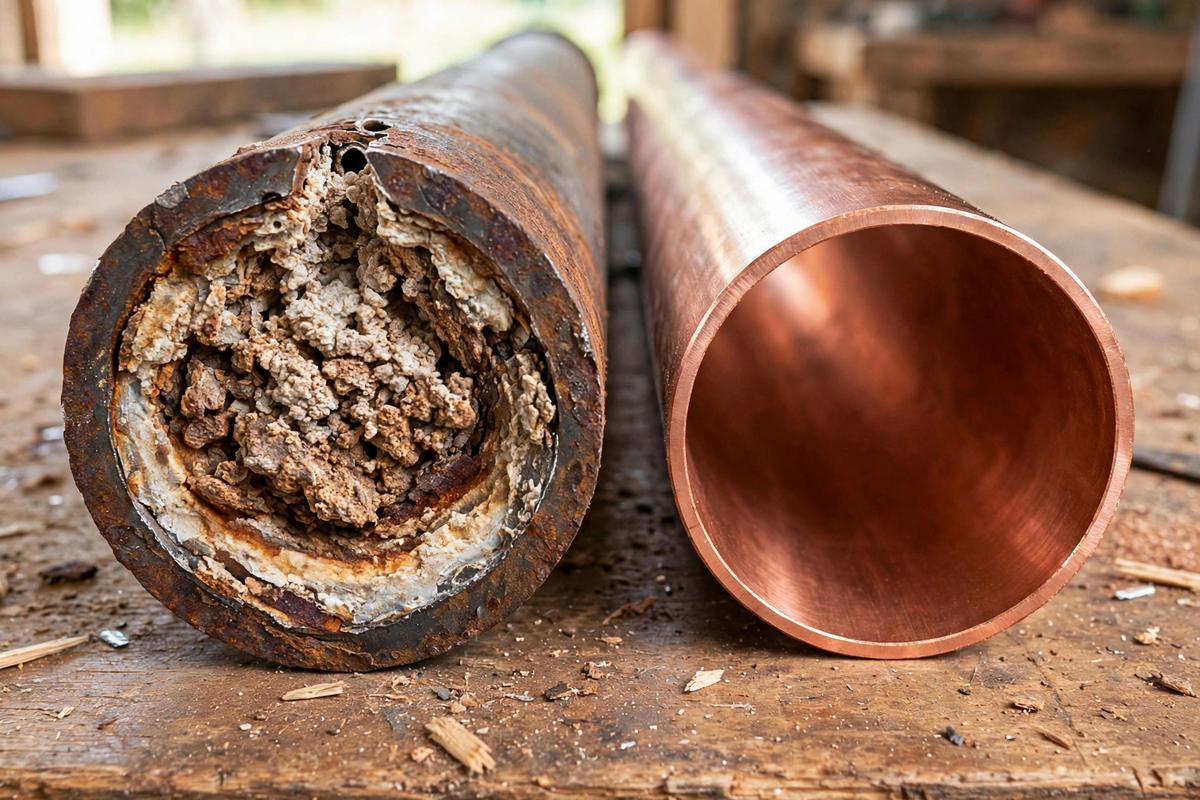
Think of the service line as a straw feeding the whole house. A galvanized line loses interior space year by year as rust and mineral scale build up on the walls. A pipe that started at three-quarter inch can narrow to the width of a pencil inside, and the house still demands the same amount of water. Pressure drops because the same demand is squeezing through less pipe.
Some Elizabethtown homes have lines that were simply built small. A half-inch or three-quarter-inch line feeding a full house with a dishwasher, laundry and two bathrooms will struggle when more than one fixture runs. Corrosion makes a small pipe smaller, so the two problems often arrive together on the older lines in the borough and the villages. Either way, no fixture adjustment fixes it; the line is the bottleneck.
Other causes the pro rules out before blaming the line
A careful technician does not assume the line is guilty. Three other suspects come first. The pressure regulator, a bell-shaped device near the entry point, can wear out and choke pressure house-wide. The main shut off valve replacement conversation starts here too, because a main valve that is partially closed or seized acts like a kink in the line. And sometimes the provider's mains are the issue, which shows up when the whole street is weak.
Each of these gets checked in order during diagnosis. The regulator setting is tested, the main valve is confirmed fully open, and pressure is compared before and after the meter. Only when those are cleared does the line take the blame. That is how you avoid paying for a replacement that would not have fixed anything.
Calls answered 24/7
Testing and diagnosis of low water pressure on the main line in Elizabethtown
Diagnosis starts at an outdoor hose bibb with a pressure gauge. The technician takes a static reading with nothing running, then a flow reading with water moving, and compares the two. A sharp drop between static and flow readings points to a restriction somewhere in the service line. The line's size and material get checked where it enters the house, and the route across the yard is considered for signs of leaks or damage.
The numbers also get read carefully in context. A house sitting on a rise above the street will read lower than a house at street level, and pressure can sag in the evening when the whole neighbourhood is watering lawns and running showers. The technician separates those normal patterns from a genuine restriction by testing at different times and fixtures. The meter test helps too: photograph the meter dial, stop all water use for half an hour, and photograph it again. A moving dial with no taps running means water is escaping somewhere, which both wastes water and drags pressure down. For a full picture of how that test works, see the leak-detection page's explanation of the meter test and how pros locate buried leaks.
When replacement is the real fix for a low water pressure main line in Elizabethtown
Replacement becomes the real fix when the line itself is the restriction and nothing else is. A corroded galvanized line will not heal, and cleaning the inside of a buried pipe is not a practical option. A new full-diameter line from the street to the house removes the bottleneck entirely, and pressure at every fixture returns to what the house was built to have.
That is the same job described on the main water line replacement page: a marked route, a choice of open trench or trenchless boring, and a new pipe put into service after testing. If the diagnosis shows the line is the problem, the technician lays out the options with pricing explained by the contractor before any work begins.
Elizabethtown homes: where line-throttled pressure shows up
Gradual pressure loss shows up most in the borough's older blocks and the village pockets, where galvanized lines have been narrowing for decades. Households notice it slowly: the shower that used to rinse properly, the garden hose that barely reaches the flower beds. In the newer subdivisions of West Donegal and Mount Joy townships, pressure complaints are more often the regulator or a partially closed valve, because the lines are modern.
Homes on the rolling edges of town add one more variable: elevation. Houses sitting well above their connection at the street lose pressure to the climb itself. Residents on the rural routes can read about water line replacement in Milton Grove & Anchor, and those in the western townships can see local conditions in water line replacement in West Donegal Township.
Calls answered 24/7
While you wait
Two safe checks help while you wait for the visit. First, confirm that every fixture is weak, not just one; that tells the technician the problem is upstream rather than at a single tap. Second, run the meter test: photo the dial, use no water for 30 minutes, photo again, and compare the two images carefully. Note whether neighbours on your street have the same problem, since that points to the provider's side, and do not touch the regulator or dig near the line yourself.
Frequently asked questions
When pressure drops at every fixture at once, the cause is almost always something shared: the service line, the pressure regulator or the main shut-off. A technician runs a pressure test at an outdoor spigot to find out where the flow is being lost.
Yes. Some older Elizabethtown lines are only three-quarter-inch or half-inch pipe feeding a whole house. A small pipe can look fine and still starve two fixtures running at once. A pro can check the size where the line enters the house.
It is often hard to tell from the kitchen tap. The technician measures pressure at your house, checks whether your neighbours are affected, and tests whether the loss happens on your side or the provider's side. For questions about the provider's mains, contact the provider directly.
A booster can raise pressure inside the house, but it cannot fix the underlying restriction if a corroded line is the cause. It also adds equipment that needs power and maintenance. The technician will tell you whether a booster is sensible or whether the line itself needs attention.
Sudden drops usually mean something changed: a valve got partially closed, a leak opened underground, or the provider did work on their mains. Ask around the street and check the meter for movement with taps off. Sudden pressure loss with a wet lawn is worth a call the same day.
Elevation matters for homes on the hills around Elizabethtown. Water loses pressure as it climbs, so a house sitting well above the street can see lower readings. The technician accounts for this when testing and can tell whether elevation or the line is the real issue.
A gauge goes on an outdoor hose bibb first for a static pressure reading, then the flow is tested with water running. The regulator setting is checked, the main valve is confirmed fully open, and the line's size and condition are inspected where it enters the house.
Usually not, but it can be urgent if pressure drops to a trickle suddenly or if a burst is suspected behind the low readings. If you hear hissing, see a wet lawn or the meter keeps moving, call right away. Otherwise it is a problem to sort out soon, not tonight.
Low water pressure from the main line in Elizabethtown: trace it to the source
Whole-house low pressure is one of the clearest signs the service line is struggling. A technician can test the line, rule out the other causes, and give you a straight answer with pricing explained by the contractor before any work begins.
☎ Call (223) 243-0253 for low pressure helpCalls answered 24/7 · Contractor explains pricing before work begins