Water Line Replacement in Conewago Township (Dauphin County)
We connect homeowners in Conewago Township with local pros for water line replacement in Conewago Township. Get straight answers about your line, clear options, and pricing explained up front before any work begins. Call (223) 243-0253. Calls answered 24/7.
Serving Elizabethtown, PA, calls answered 24/7
Signs Your Conewago Township Water Line Needs Replacement
A buried line usually fails quietly, and on wider township lots a small leak can go unnoticed longer than it would on a tight borough block. Watch for a wet or extra-green strip of lawn between the road and the house, a water meter that keeps moving with every tap off, pressure that has dropped across the whole house, rusty or brown water that does not clear, a hissing sound where the line enters the house, or a bill that jumps with no change in use. Any one of these is reason to have the line checked by a pro.
Catching it early matters here because a longer run gives a leak more ground to spread under before it shows on the surface. If water is escaping where you can see it, close the main shut-off inside the house and keep people and vehicles off any soft, sunken ground until a technician has looked at it.
Calls answered 24/7
The Homes Here
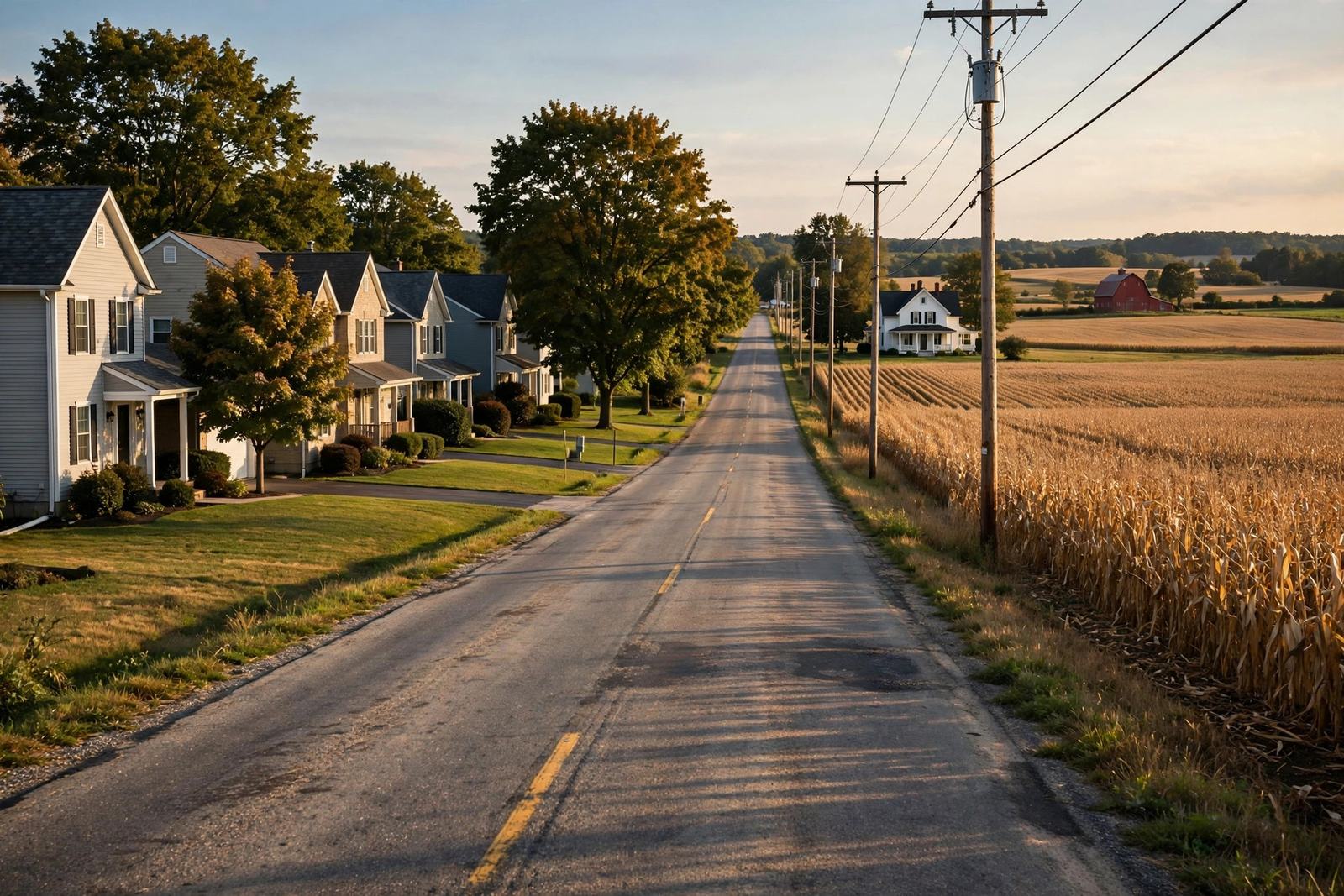
Conewago Township sits north of the borough, across the Dauphin County line, and its homes reflect both sides of that border. Along the township roads you will find post-war and newer suburban development: ranch homes, split-levels and two-story colonials on wide lots with generous setbacks from the road. Between and beyond those neighborhoods lies working farmland and open rural parcels, where houses sit farther back and the land around them stays in crops or pasture.
Because lots are wide here, service lines run longer than they do in the borough, often stretching a considerable distance from the meter or curb stop at the road to the house. That extra length means more pipe aging in the ground, more joints that can separate, and more places for a small leak to hide before it shows on the surface. Homes in the older suburban pockets may still carry their original galvanized pipe, while newer builds typically have copper or plastic service lines.
One plain note about what we cover: this service is for homes on public water. Some rural properties in the township use private wells and septic systems, and those are outside what we do. We never sell well or septic work. If your home is on public water and the line from the road to your house is failing, we can connect you with a local pro. Just south of the township line, borough homeowners face the same aging-pipe questions on older, tighter lots, which is why many start with water line replacement in Elizabethtown Borough for comparison.
Water Line Replacement in Conewago Township: What Usually Goes Wrong
Age is the first thing a pro considers. Many township service lines went in when the surrounding development did, and corrosion, joint failure and pressure loss tend to arrive together once a line reaches a certain age. On a long run, that aging has more pipe to work on. A pinhole leak can feed a soft, sunken patch of lawn for weeks before anyone notices, especially when the wet spot forms midway between the road and the house rather than near the foundation.
Winter adds its own stress. Freeze-thaw cycles move the ground around buried pipe, and lines with shallow cover near lanes or driveways feel that movement most. In the older pockets, galvanized pipe narrows from the inside as scale builds up, so pressure fades a little each year until the house barely fills a tub upstairs. Some very old lines in the area were made of lead, and a pro can identify the material on site. Roots are another township pattern: trees and hedgerows along property lines and lane edges send roots toward the moisture a small leak provides, and growing roots can break a weakened joint.
When the meter keeps turning with everything off, water line leak detection pinpoints the failure before anyone brings out a shovel. Finding the exact spot matters more on a long lot, where digging in the wrong place wastes time and tears up good lawn.
What the Technician Checks First on a Home Like This
The first visit is about evidence, not equipment. The tech usually starts with the meter test: a photo of the meter dial, a wait with no water running anywhere in the house, then a second photo. If the dial moved, the leak is confirmed and it is on your side of the meter. Next comes a pressure reading at an outdoor spigot, which shows whether the whole house is starved for pressure or the problem sits somewhere else.
Then the pro walks the route. On a township lot that means finding the curb stop or meter pit at the road, noting where the line enters the house (often through the basement wall in older homes), and marking the likely path across the lawn with paint and flags so everyone can see it.
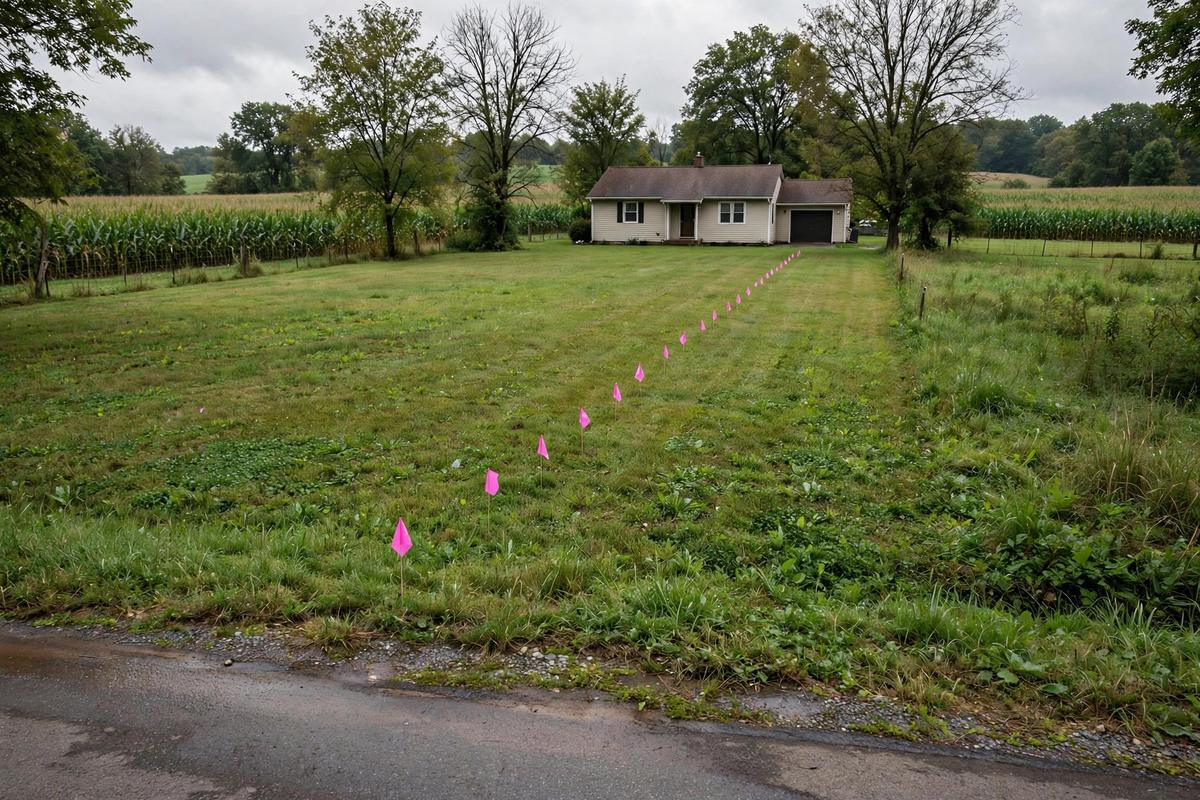
Marking matters on these lots because other lines may be buried along the same corridor, and nobody digs until the route is clear. Only after the failure point is found and the material and condition of the line are understood does the tech lay out options, with pricing explained before anything is decided.
Calls answered 24/7
What a Call Looks Like, Start to Finish
You call and describe the symptoms
A few plain questions: what you are seeing, how old the home is, whether the meter moves with everything off. Straight answers, no script.
A local pro is connected with you
We connect you with a local pro who knows township lots and longer service runs. Same-day and emergency dispatch where available.
Diagnosis at your home
The tech runs the meter test, checks pressure, walks and marks the route, and finds the failure point before talking about work.
Options and pricing
Repair or replacement, trench or trenchless where conditions allow, with pricing explained before work begins. If the original line is at the age where failures repeat, the tech will walk through old water service line replacement so you can weigh a one-time fix against future repairs.
Nearby Areas and Related Services
We also connect homeowners with water line replacement in Mount Joy Township, just east of here, where village homes and subdivisions face similar aging-line questions. If your main complaint is weak flow through the whole house, our low water pressure main line page explains how pros test for it. For the borough-wide overview, start with main water line elizabethtown, which covers every service in one place.
Frequently asked questions
Not for the work itself. Our service covers the township north of the borough, and a county line changes the paperwork, not the plumbing. The pro who comes out will be familiar with township lots and longer service runs.
It changes the planning. A longer run means more pipe to inspect and more ground where a leak can hide, so locating the failure precisely matters even more. The tech will walk and mark the route before recommending anything.
No. This service is strictly for homes on public water, and we do not handle wells or septic systems. If your home connects to public water, we can connect you with a local pro.
Your meter is the proof. With every tap and appliance off, a moving meter means water is leaving through your line. A pro can also isolate sections to confirm the loss is on your property before any digging starts.
On most township properties the homeowner handles the private side, from the meter, curb stop or property line to the house. The exact split varies by provider, so if you are unsure, check with your water provider before assuming anything.
Not the way pros plan it. The route is marked and the digging is kept to the planned path, and where conditions allow, trenchless methods can put a new line in with only small access pits. Ask the tech what your yard would look like before you agree to anything.
Water is shut off during the actual connection work and restored as soon as the new line is tested. The pro will tell you ahead of time when the shutoff happens so you are not caught off guard.
Ask what failed and why, whether repair or replacement makes more sense, what the work route will look like on your lot, and how the pricing works. You should get straight, specific answers to all of it before work starts.
Water Line Replacement in Conewago Township: Make the Call Early
A small leak on a long township run only gets harder to reach the longer it waits. If your meter moves with everything off or your pressure keeps fading, call (223) 243-0253 and get a local pro on it. Calls answered 24/7.
☎ Call (223) 243-0253 for Conewago Township water line helpCalls answered 24/7 · Contractor explains pricing before work begins