Water Line Replacement in West Donegal Township
Water line replacement West Donegal Township: one call connects you with local pros who know its subdivisions, long driveways and larger lots. This service is for homes on public water, and calls are answered 24/7.
Serving Elizabethtown, PA, calls answered 24/7

Why Water Line Replacement in West Donegal Township Looks Different
West Donegal Township sits south and west of the borough, where newer subdivisions roll across the hills and rural lots stretch between them. The lines here are generally younger than the borough's, but long runs from the road to the house give trouble more room to hide. A leak on a long run can waste water for weeks before it shows at the surface.
One plain boundary: this service is for homes on public water. Properties on private wells or on-lot septic are outside its scope, and we do not sell well or septic work. If your home connects to the public water system, the rest of this page is for you.
The Homes Here
The township's subdivisions are the newer chapters of the Elizabethtown story: streets of homes built from the 1990s onward set on rolling ground, with larger lots than the borough ever offered. Between the subdivisions, rural lots hold homes set well back from the road, some with driveways that run a long way before they reach the house.
Those long driveways shape every water line job here. The service line often runs from the meter at the road, alongside or beneath the driveway, across the yard and into the house. More length means more joints and more ground to watch, and a leak's signs can surface far from where the pipe actually failed.
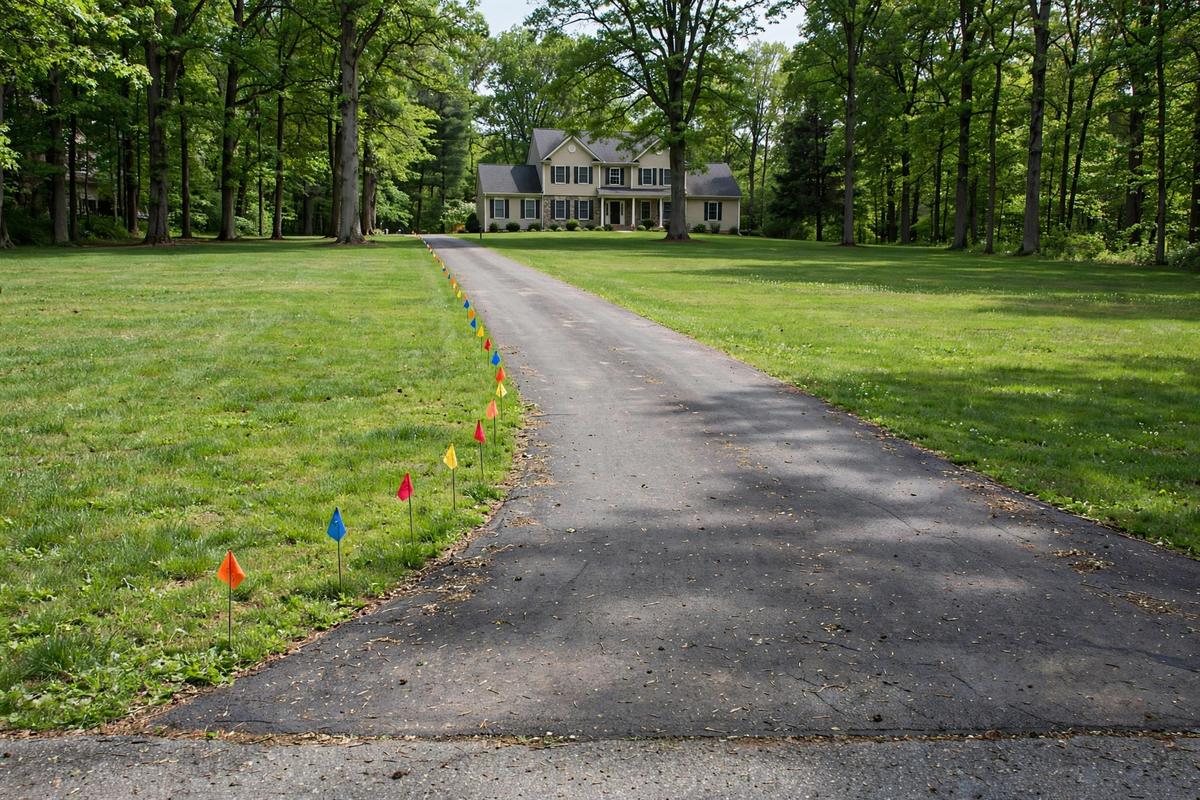
Newer pipe materials dominate, which fail less from corrosion and more from joint trouble, ground settling under new fill, and the occasional rock or root pressing on the pipe. Where the line enters the home, expect a basement wall penetration on most houses, with the main shut-off valve just inside.
The rural lots deserve a repeat of the plain rule: if the home is on public water, we can help; if it runs on a private well, this is not the service for it. Larger lots here also mean the technician may need to walk a good stretch of ground to trace the route, so clear access along the driveway helps. Much of it falls inside ZIP 17022.
What Usually Goes Wrong Here
Joint and fitting trouble leads the list on newer lines: connections loosen as fill settles under young subdivisions, and a fitting that shifted a fraction of an inch can weep for months. On the longer rural runs, the failure is often a single bad joint far from the house, found only because the meter kept moving. Driveway crossings take a beating from vehicle weight pressing down on shallow cover.
- The meter moves with every tap off, the one home check that matters
- A wet or unusually green patch along the driveway or the lawn
- Pressure that dips when demand is high, like laundry and showers together
- Settling or soft ground tracing a line from the road toward the house
- A hissing sound near the foundation entry when the house is quiet
- Water bills climbing with no change in household habits
When one section keeps failing, a targeted repair may do; when an aging line fails in several places, old water service line replacement is the honest conversation to have. The technician judges the line's condition along the whole run before recommending either.
A trenchless water line replacement earns its keep on these lots, since it can follow a long route without opening the driveway or the lawn. It is not guaranteed for every route: rock, sharp bends and crowded utility paths can rule it out, and the technician will say so before you commit to anything.
Calls answered 24/7
What the Technician Checks First
The pro we connect you with starts at the meter by the road and confirms the meter test with you. Then comes the walk: along the driveway, across the yard, to the foundation, reading the ground for the soft spots and green strips that mark a leak's path. On long runs they may use water line leak detection equipment to narrow the search before any digging is discussed.
At the house they check the foundation entry and the inside shut-off valve, then take a pressure reading at a hose spigot. Knowing where the line crosses the driveway shapes the plan more than anything else. You get the findings in plain language, with pricing explained by the contractor before any work begins.
We connect you with local pros; the technician who arrives works for an independent local company. You hear the options, you see the pricing, and you decide how to proceed.
What a Call Looks Like, Start to Finish
Long lots do not mean a long, confusing process. Here are the four steps from your call to a tested line.
You call (223) 243-0253
Calls are answered 24/7. Confirm your home is on public water and describe the signs.
The long route gets walked
Same-day and emergency dispatch where available. The technician traces the line from the road meter along your driveway to the house.
Options with pricing
The failure point is pinpointed, repair and replacement options are explained, and pricing is laid out before work begins. You approve the plan before anything starts.
Tested and left tidy
The line is pressure-tested after the work. Completed work carries a workmanship guarantee.
Calls answered 24/7
Water Line Replacement in West Donegal Township: Nearby Areas and Services
Just north of the township line, the borough's pre-war homes face a different set of line problems: see water line replacement in Elizabethtown Borough. To the north and east, water line replacement in Mount Joy Township covers the villages and subdivisions there. The main water line elizabethtown home page ties it all together.
Frequently asked questions
No. This service is for homes connected to the public water system only. Homes on private wells or on-lot septic are outside its scope, and we do not sell well or septic work. If you are unsure which one you have, check with your water provider before calling.
They start at the meter by the road and walk the likely route, watching for surface signs and using leak detection equipment to narrow the break's location. Long runs take longer to trace, so clear access along the driveway helps. The marking flags you may see afterward trace the route they confirmed.
Newer lines rarely corrode, but joints can loosen as the ground settles under young fill, and a rock or root pressing on one spot can crack a fitting. One bad joint is usually a repair, not a replacement. The technician finds the actual failure point rather than guessing from the home's age.
Not necessarily. Trenchless methods can often pass beneath a driveway without opening it, and a targeted repair only opens ground at the break. When trenching across the driveway is truly the only option, you will hear that plainly before anything is decided, along with what the work involves.
The same way as anywhere: turn off every tap and water-using appliance, then watch the meter dial for movement. On a long run, even a slow creep matters, because a small leak has many feet of pipe to hide in. Report exactly what you saw when you call.
Homeowners are usually responsible for the private side, from the meter, curb stop or property line to the house, but the split varies by provider. On long rural runs it helps to know where that divide falls before work starts. Check with your water provider if you are unsure.
The water line and the septic system are separate, and we do not sell septic work. If your home is on public water with on-lot septic, the water line side is still in scope. The technician keeps the work to the water line and will tell you plainly if something looks like a septic matter for someone else.
Clear access to the meter at the road, the driveway route and the foundation wall where the line enters. Note when you first saw the signs and whether they followed heavy rain or a cold snap. If you know roughly where the line runs, say so; if not, the technician will trace it.
Water Line Replacement in West Donegal Township Starts With a Call
Long runs, long driveways and newer subdivisions each need their own read. One call connects you with a local pro who will walk your route and explain your options plainly.
☎ Call (223) 243-0253 about your West Donegal Township water lineCalls answered 24/7 · Contractor explains pricing before work begins